
Autism, or Autism Spectrum Disorder (ASD), is a developmental condition that affects how a person experiences the world, communicates, interacts with others, and processes information. It is called a “spectrum” because autism presents differently in every individual. Some people may need significant support in their daily lives, while others live independently and excel in various fields.
Autism is not an illness or a disease that needs to be cured. Rather, it is a different way of thinking, learning, and experiencing the world. Many autistic individuals possess unique strengths, talents, and perspectives that enrich their families, communities, and workplaces.
Autism typically begins in early childhood, although signs may become more noticeable as a child grows. Some common characteristics include differences in social communication, challenges with understanding social cues, repetitive behaviors, strong interests in specific topics, and heightened or reduced sensitivity to sounds, lights, textures, tastes, or other sensory experiences. However, it is important to remember that no two autistic individuals are exactly alike.
The exact cause of autism is not fully understood, but research suggests that a combination of genetic and environmental factors plays a role. Autism is not caused by parenting styles, vaccines, or anything a child or family has done. Understanding this helps reduce stigma and encourages acceptance and support.
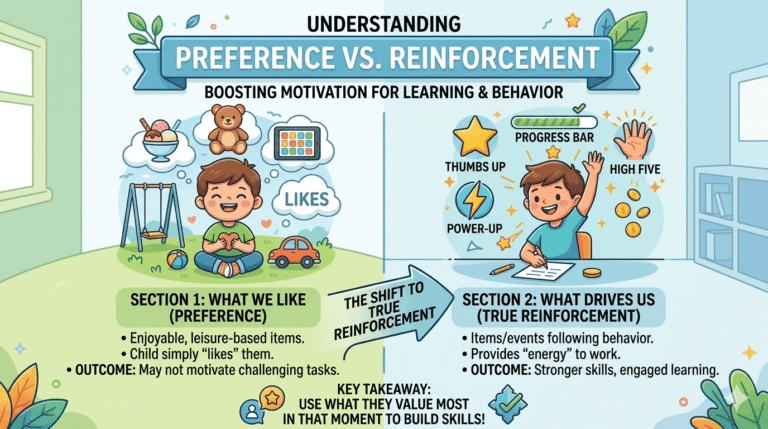
Early identification and intervention can be beneficial for many children. Speech therapy, occupational therapy, educational support, and social skills programs can help autistic individuals develop confidence and navigate daily challenges. However, support should always respect the individual’s unique needs, preferences, and personality.
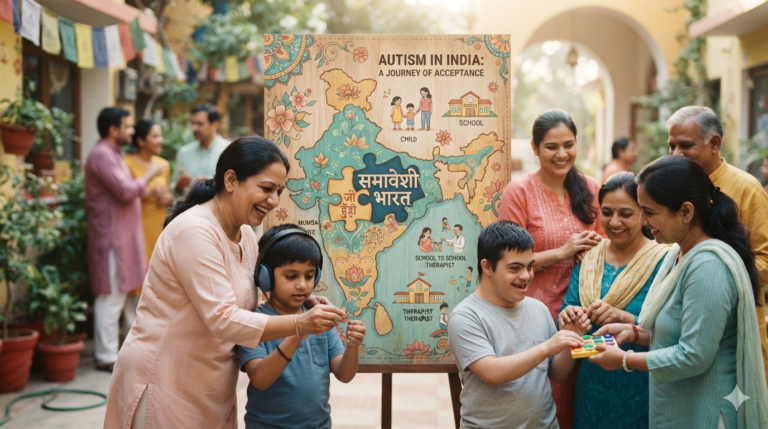
One of the most important things society can do is move from awareness to acceptance. Awareness means knowing that autism exists. Acceptance means recognizing, respecting, and valuing autistic people for who they are. It involves creating inclusive environments where autistic individuals feel safe, understood, and supported.
Families of autistic children often experience a journey filled with both challenges and rewarding moments. Patience, understanding, and access to appropriate resources can make a meaningful difference. Listening to autistic voices is equally important, as they can provide valuable insight into their own experiences and needs.
Autism is a lifelong condition, but it does not define a person’s worth or potential. Every autistic individual has their own dreams, abilities, and personality. With acceptance, support, and opportunities, autistic people can thrive in school, work, relationships, and community life.
Ultimately, understanding autism is about recognizing human diversity. When we embrace differences with empathy and compassion, we build a more inclusive world—one where everyone has the opportunity to be respected, valued, and celebrated for who they are.