Different But Not Less
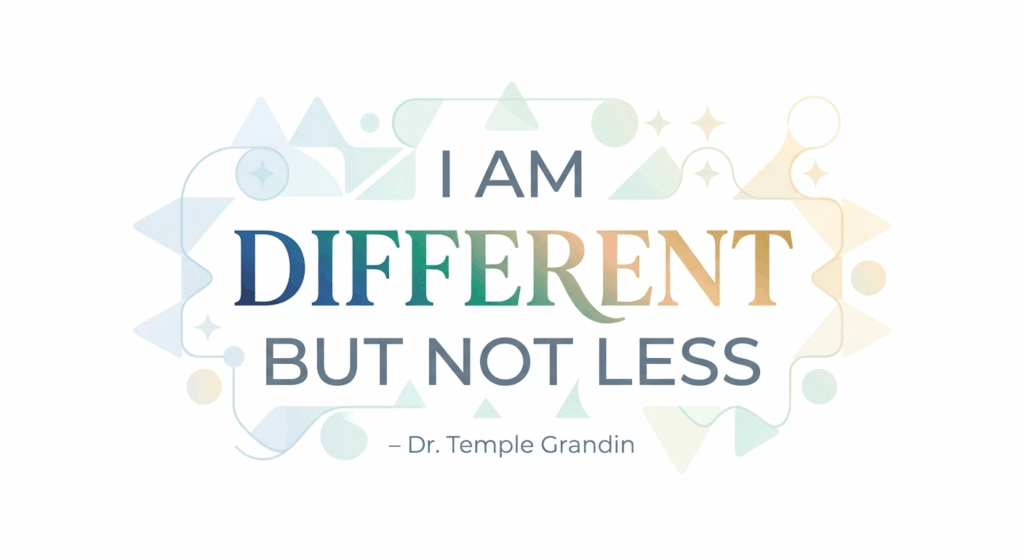
Different, but not less” is a powerful mantra popularized by Dr. Temple Grandin. It highlights that neurodivergent individuals and those with developmental delays experience and process the world in unique ways, but their lives, skills, and perspectives are equally as valuable as those of neurotypical individuals.
Together, We Can Make a Lasting Difference
Children with disabilities give back to society through civic engagement, peer support, and inclusive community volunteering. By participating in everyday community life, they break down social stigmas, foster empathy, and demonstrate that everyone has valuable skills and perspectives to share.
Meaningful ways children with disabilities can contribute to society include:

Peer Mentorship
Older youth can support and guide younger children, acting as role models and helping them navigate their own disabilities or challenges.
Community Volunteering
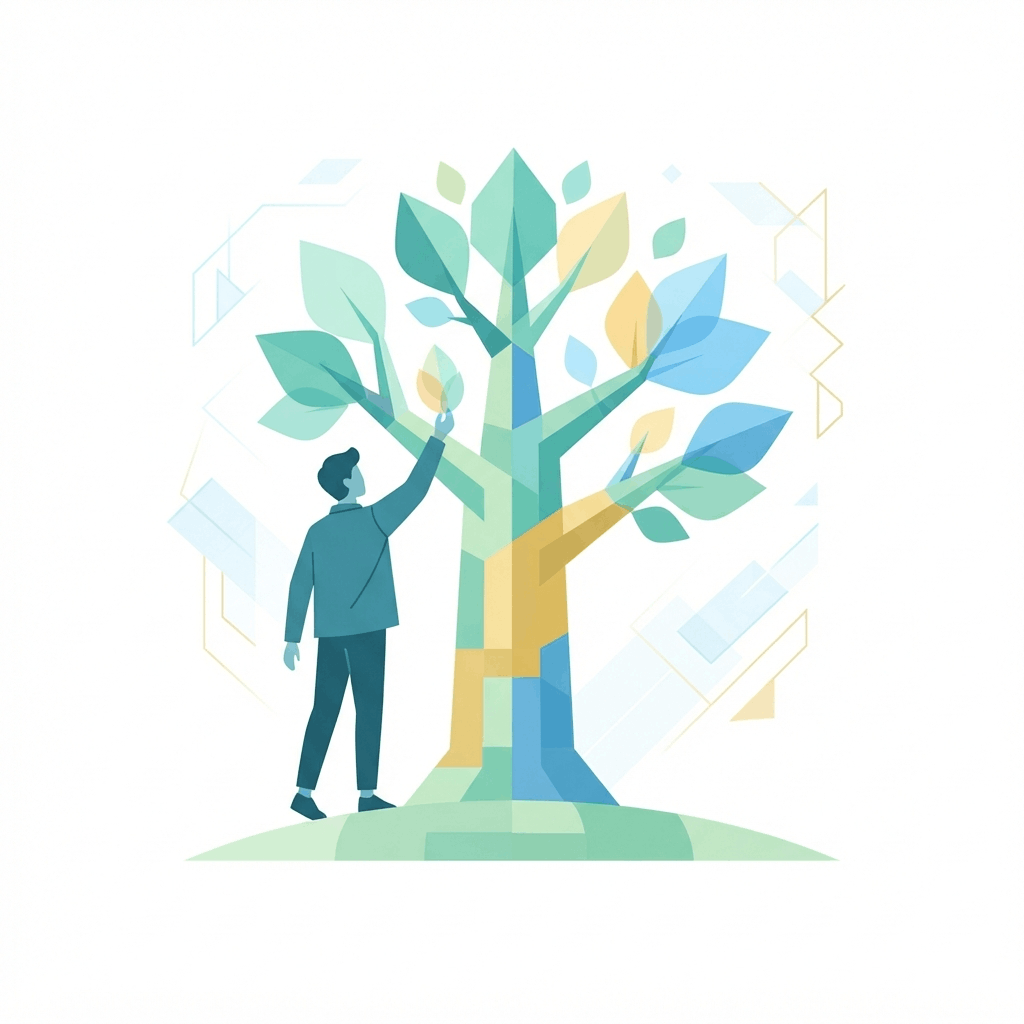
Many children participate in inclusive community volunteering. Activities like organizing local food drives, participating in neighborhood cleanups, or assisting at animal shelters allow them to build confidence and give back directly.
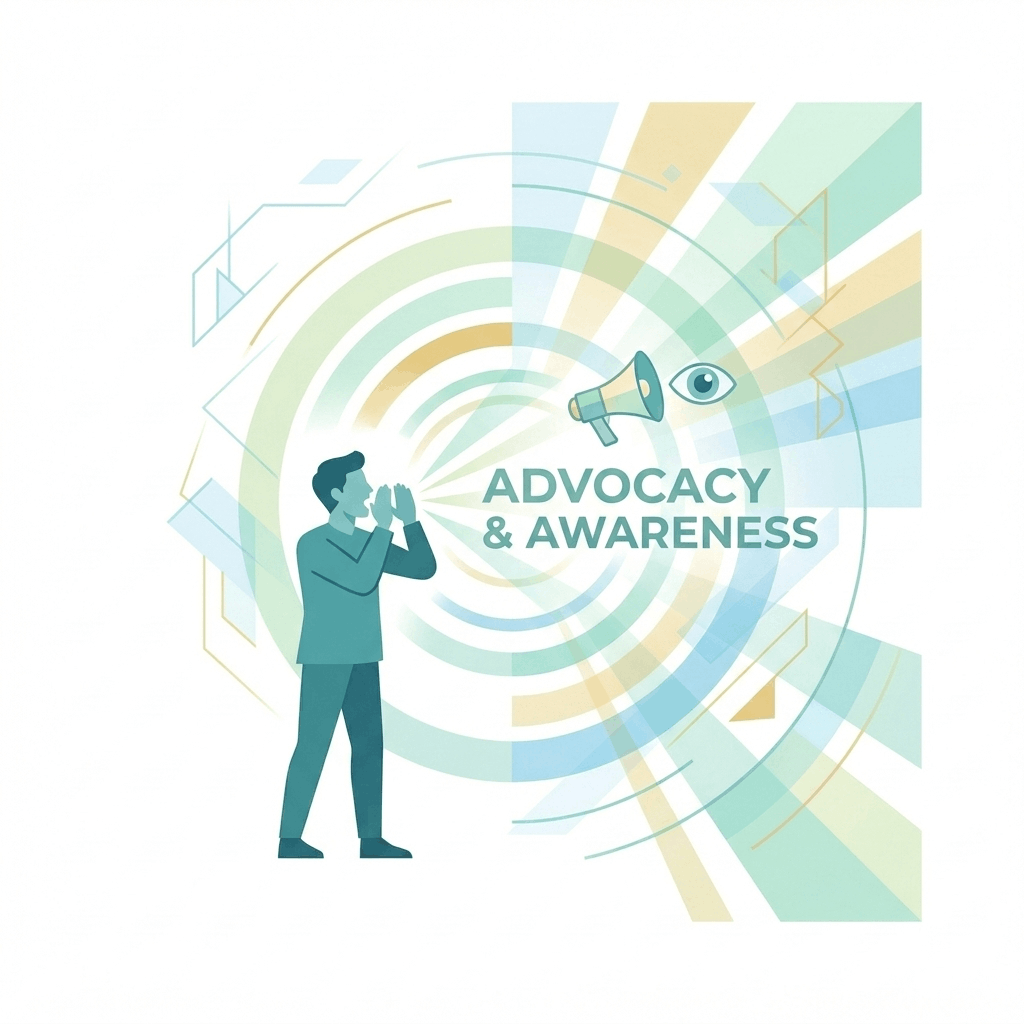
Advocacy and Awareness
Children can share their experiences to educate others, helping to shape disability-inclusive infrastructure and policies. Speaking in school groups or participating in advocacy forums raises awareness and promotes a more understanding society.
Acts of Kindness
Simple, daily acts of compassion, such as helping a neighbor, making friends at school, or participating in family chores, help weave them into the everyday fabric of their neighborhoods.

Artistic and Creative Contributions
Many children express themselves through art, music, or writing. Sharing these creative works with the community inspires others and enriches local culture.
Empowering children with disabilities to participate in these roles requires an approach that removes societal barriers and fosters inclusion. For more information on creating an inclusive world where everyone can participate, you can explore resources provided by the UNICEF or the World Bank Blogs.